
The Western Balkans have a way of surprising people. Ask anyone who’s been and they’ll tell you the same thing – photos don’t do it justice.
You’ve got turquoise rivers cutting through limestone canyons, Ottoman-era bridges that somehow survived wars and earthquakes, coastal towns where the Adriatic looks almost too blue to be real, and cities where a coffee costs less than a dollar but tastes better than anything you’ll get back home.
And yet, for a region packed with this much variety, it still flies under the radar compared to Western Europe. That’s slowly changing, but for now, first-time visitors get to experience something increasingly rare in travel: a place that hasn’t been fully packaged for tourists yet.
If you’re planning your first trip here, this guide walks through what to expect, where to go, and how to get between destinations without wasting half your trip on logistics.
And that last part matters more than people expect – flights between these countries are limited, so traveling around the region by bus ends up being how most visitors actually get from one city to the next. It’s cheap, frequent, and honestly one of the more enjoyable parts of the trip once you get used to it.
Why the Western Balkans Deserve a Spot on Your List
The region isn’t one country pretending to be several – it’s genuinely several countries, each with its own history, language, and rhythm, packed into a relatively small geographic area.
Bosnia and Herzegovina, Montenegro, Serbia, North Macedonia, and Albania each bring something different to the table, while neighboring Croatia often serves as a beautiful but more commercialized gateway.
Cross a border and the architecture changes, the food changes, even the coffee culture changes. In the span of a two-week trip, you can go from Ottoman bazaars to Austro-Hungarian boulevards to Venetian coastal fortresses without ever getting on a plane.
There’s also the price factor. A meal that would run you thirty euros in Vienna costs a third of that in Sarajevo or Skopje. Hostels and mid-range hotels are affordable, public transport is cheap, and even taxis won’t drain your budget.
This makes the region ideal for travelers who want a longer trip without a longer budget.
Where to Start: The Cities That Define the Region
Sarajevo, Bosnia and Herzegovina Sarajevo is often the city that changes people’s expectations of the whole region. Walk through Baščaršija, the old Ottoman quarter, and you’ll hear the call to prayer echo off buildings that look like they belong in Istanbul.
Walk fifteen minutes in one direction and you’re suddenly in a neighborhood that feels like Vienna. The city carries visible scars from the 1990s siege, and most visitors find the War Tunnel Museum and the walking tours covering that period genuinely moving rather than heavy-handed.
Sarajevo isn’t a museum piece, though – it’s a living city with a young population, good nightlife, and some of the best ćevapi you’ll eat anywhere.
Mostar, Bosnia and Herzegovina
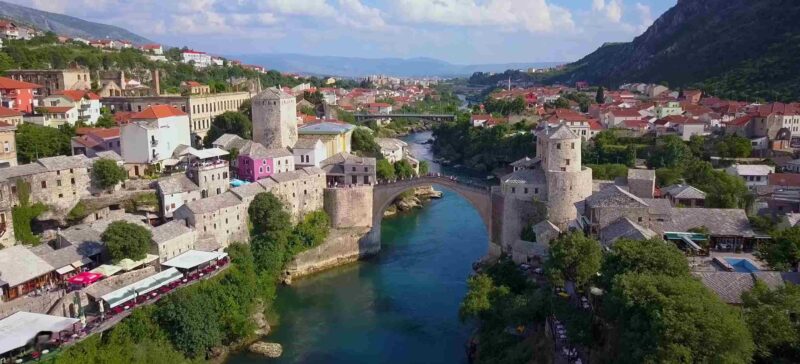
Mostar is smaller and more compact, built around its famous Stari Most bridge. Divers still jump off it into the Neretva River, a tradition that’s centuries old at this point.
It gets busy with day-trippers from Dubrovnik and Split, so if you can, stay overnight – the town empties out by early evening and that’s when it’s at its best.
Kotor, Montenegro
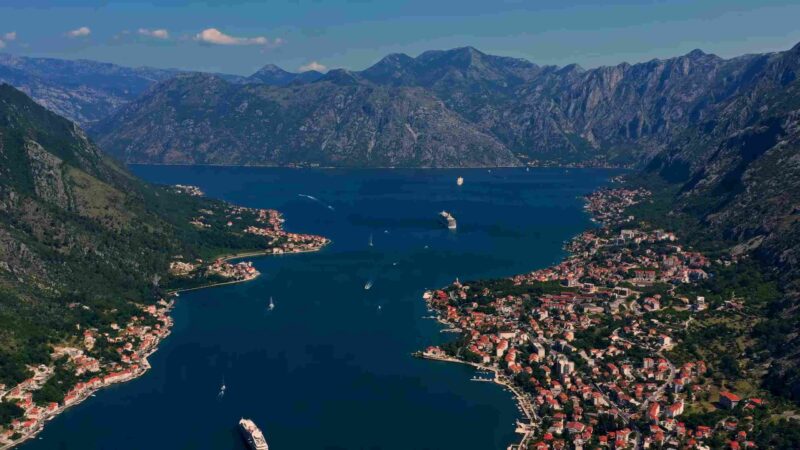
Kotor sits inside a bay that looks more like a fjord than anything you’d expect on the Adriatic. The old town is walled, and if you’re up for a serious climb, the fortress walk above the city offers a view that’s worth the sweat.
Cruise ships stop here often, so timing your visit for early morning or late afternoon helps you avoid the crowds.
Belgrade, Serbia
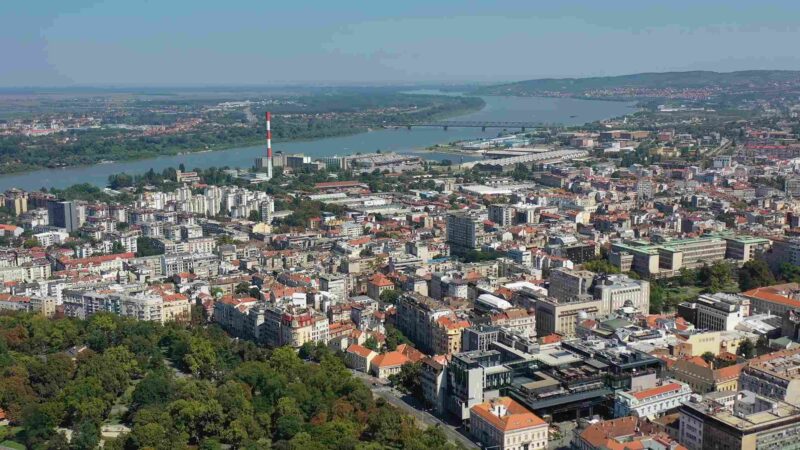
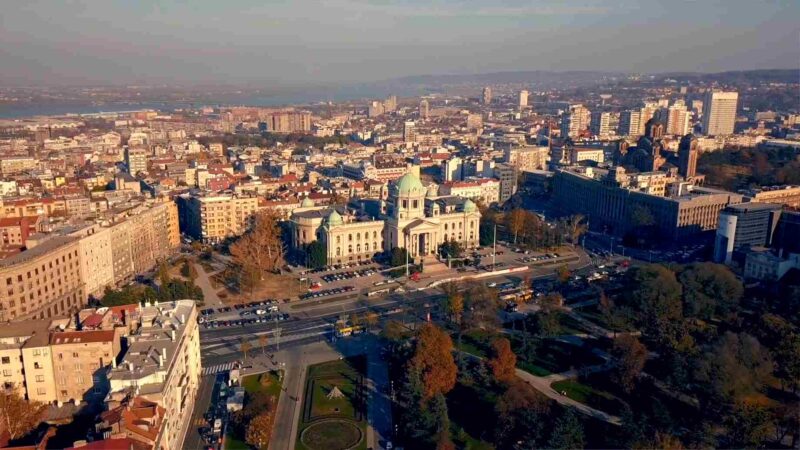
Belgrade doesn’t try to be pretty in the postcard sense – it’s raw, loud, and full of energy.
The nightlife is legendary, the Kalemegdan fortress overlooking the confluence of the Sava and Danube rivers is genuinely beautiful, and the city’s Yugoslav-era architecture gives it a character you won’t find elsewhere. It’s also a good hub for day trips if you want to slow your pace down for a few days.
Ohrid, North Macedonia
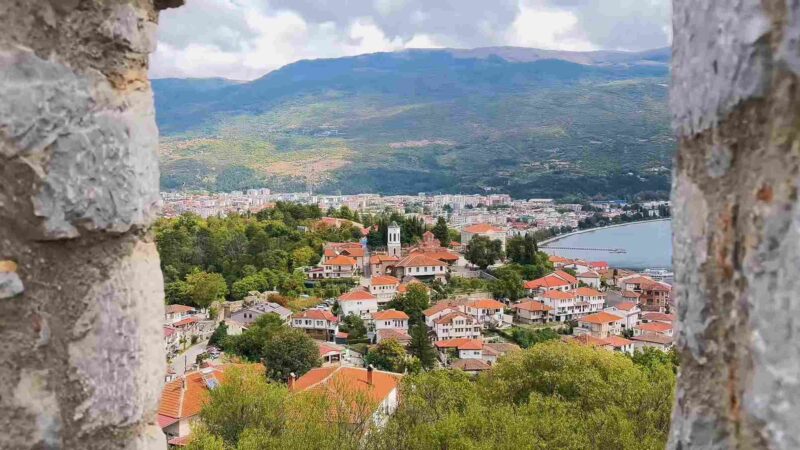
Ohrid is one of those places that quietly blows people away.
The lake is one of the oldest and deepest in Europe, the old town is dotted with churches perched on cliffs above the water, and the whole place has a slower, more contemplative feel than the bigger cities. It’s a good spot to build in a couple of rest days.
Tirana and the Albanian Riviera, Albania
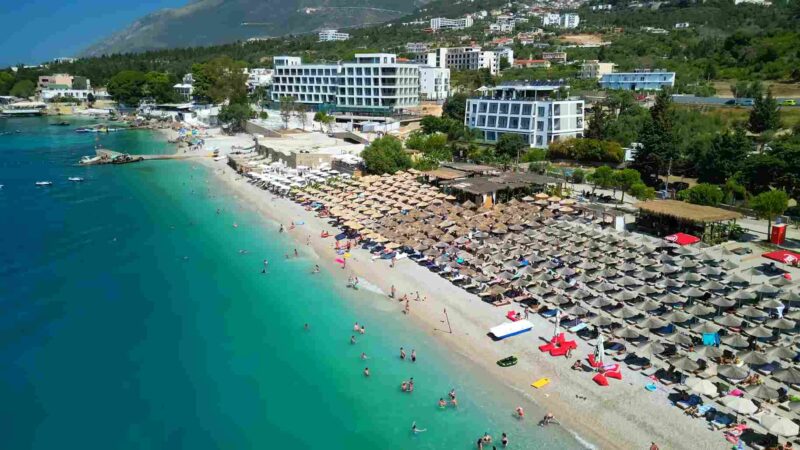
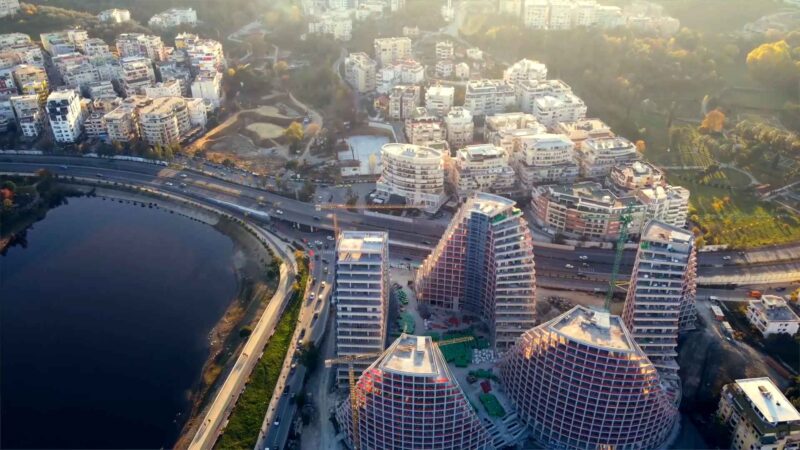
Albania has changed enormously over the past decade. Tirana is colorful, chaotic, and full of good coffee culture, while the southern coastline – often called the Albanian Riviera – has beaches that rival Greece and Croatia at a fraction of the cost.
It’s still the least visited part of the region, which for now works in travelers’ favor.
Getting Around: Making the Most of Your Time
Once you’ve picked your route, logistics get a lot simpler. Bus routes connect the major cities directly, schedules run frequently enough that you’re not stuck waiting around for hours, and the seats are comfortable enough for the longer stretches between, say, Sarajevo and Belgrade, or Mostar and Kotor.
It also means you get to actually see the countryside instead of flying over it – the drive through Herzegovina’s canyons or along the Montenegrin coast is part of the experience, not just a means to an end.
A rough itinerary that works well: start in Sarajevo, head to Mostar, cross into Montenegro toward Kotor, and continue down the coast. If you plan to loop back up through Serbia or head across into North Macedonia, keep in mind that bus rides through the mountainous terrain for these longer legs can be exceptionally long and test your patience.
Breaking them up with an overnight stop in a smaller town is highly recommended. Two to three weeks lets you cover most of this without feeling rushed.
A Few Practical Notes
Currency changes at nearly every border – Bosnian marks, Serbian dinars, Macedonian denars, and Albanian lek, while Montenegro and Kosovo use the euro despite not being part of the eurozone. It’s worth keeping small amounts of each on hand rather than relying entirely on cards, especially in smaller towns.
Language-wise, Bosnian, Serbian, Montenegrin, and Croatian are mutually intelligible, so if you pick up a handful of phrases, they’ll carry you across four countries. Albanian and Macedonian are separate languages entirely, but English is widely spoken in tourist areas across the whole region, particularly among younger people.
The best time to visit is late spring or early autumn, so bring an appropriate wardrobe, sweaters, shirts, and pants. Summer gets hot and crowded along the coast, while spring and fall bring milder weather and thinner crowds, especially in the inland cities.
Frequently Asked Questions
None of this region needs a filter or a marketing campaign to sell itself – it just needs people to actually show up. The Western Balkans reward travelers who are willing to skip the well-trodden path for a week or two, and once you’ve had a coffee in Sarajevo’s old town or watched the sun go down over Kotor Bay, it’s hard not to start planning the next trip back.