
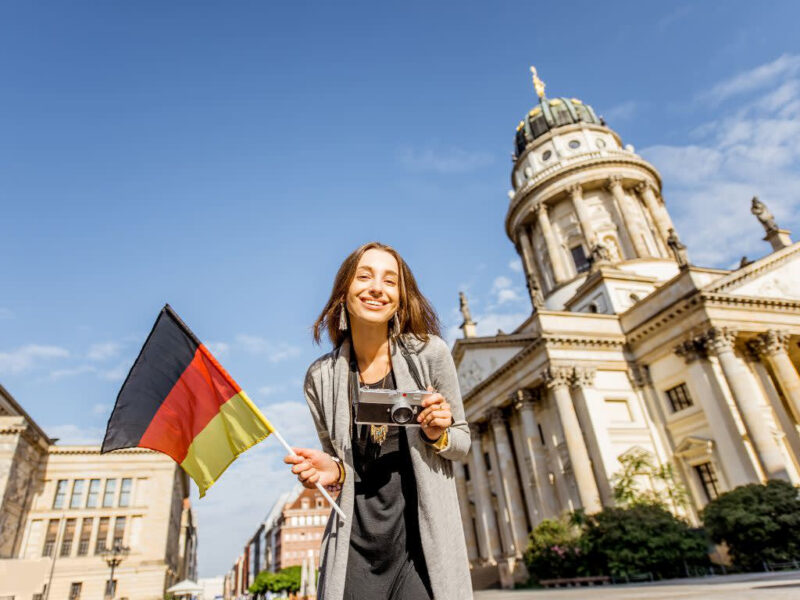
Germany is one of those trips that feels simple on paper and then gets more interesting once you land. Yes, it is organized, safe, well connected, and easy enough for first-time visitors.
But it also has its own rhythm, from quiet Sundays to cash-friendly cafés and train rules that can surprise Americans used to driving everywhere.
This guide keeps things practical for U.S. travelers planning Germany travel in 2026, whether the trip is Berlin, Munich, the Rhine, Bavaria, or a little bit of everything.
Entry Rules and First Practical Checks

Before you build the fun part of the itinerary, get the boring-but-important details right.
U.S. citizens can visit Germany and the wider Schengen Area for tourism or business for up to 90 days in any 180-day period, and your passport should be valid at least three months beyond your planned departure, with six months recommended by the U.S. State Department.
Germany may also ask for proof of funds and a return or onward ticket, so keep confirmations easy to access on your phone. For most tourists, no traditional visa is needed, but the timing of future EU systems matters.
Passport, Schengen Days, ETIAS and EES
This is one area where American tourists should not rely on old travel habits, because Europe is moving toward more digital border checks. The basics are still simple, but the details matter before you fly.
- U.S. tourists can usually stay in Germany and the wider Schengen Area for up to 90 days within any 180-day period without a tourist visa.
- Your passport should be valid for at least three months beyond your stay, although six months is strongly recommended for smoother travel.
- The Entry/Exit System records short-stay non-EU travelers digitally, so your passport may no longer be stamped at the border.
- First-time EES registration can include passport data, a facial image, and fingerprints.
- ETIAS is expected to start in the last quarter of 2026 and will cost €20, but it is a travel authorization, not a visa.
Money, Cards and Everyday Payments
Germany is modern, but do not assume every bakery, beer garden, kiosk, or small family restaurant wants your card. Cash still matters more than many Americans expect.
The Bundesbank’s 2025 payment study found cash was still used for 45 percent of all payments, even as cashless options became more common.
A smart setup is simple: bring a no-foreign-fee card, keep a backup card separately, and carry some euros for smaller purchases.
If you use ATMs, bank-owned machines are usually safer than random tourist-zone machines with confusing fees.
A few money habits help quickly:
- Keep coins for lockers, restrooms, and small tips.
- Ask “Karte möglich?” before ordering somewhere small.
- Choose to be charged in euros, not dollars, when the terminal asks.
Getting Around Germany Without Overplanning
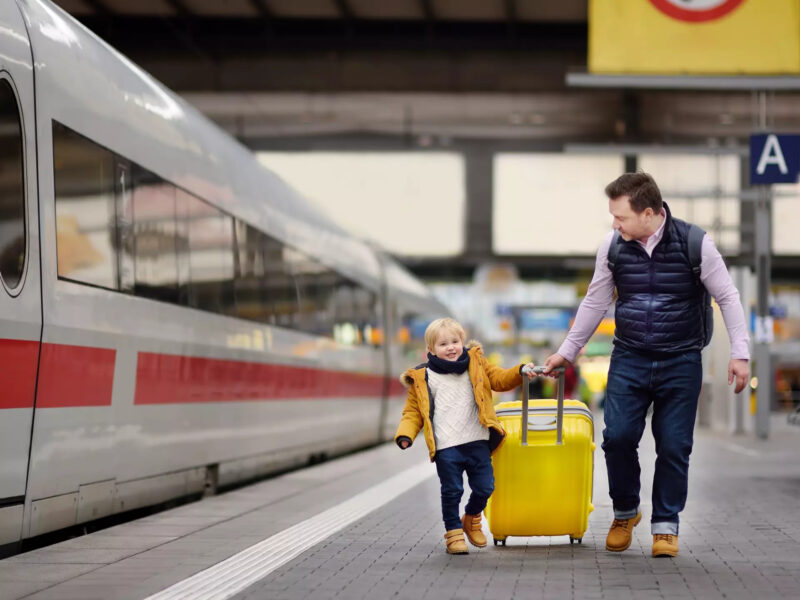
Germany rewards travelers who like structure, but it still leaves room for spontaneous stops. You can base yourself in one city and make day trips, or connect several regions by train without renting a car.
The trick is knowing the difference between fast long-distance trains, regional trains, and city transit. Americans sometimes underestimate how compact travel can feel here.
Munich to Nuremberg, Cologne to Düsseldorf, Berlin to Leipzig, and Frankfurt to Heidelberg are all manageable routes.
Just build a little cushion into your schedule, because transfers, platform changes, and occasional delays still happen.
Trains, Local Transit and When Passes Help
Deutsche Bahn is the main place to check national train routes, and its official site lists the Deutschland-Ticket at €63 per month for local and regional public transport, not ICE, IC, or EC long-distance trains.
That distinction is important. A cheap monthly local pass is not the same as a high-speed rail pass. For tourists staying mainly inside one region, it can be useful.
For cross-country city hopping, advance saver fares on ICE trains often make more sense.
| Travel need | Better option |
| Berlin to Munich fast | ICE ticket |
| Local buses, trams, S-Bahn | Deutschland-Ticket or local day pass |
| One city weekend | Transport network day ticket |
| Scenic slow travel | Regional ticket |
The best move is to compare before buying, not after.
Sundays, Schedules and Small Cultural Surprises
One of the quickest ways to feel unprepared in Germany is planning a big shopping day on Sunday. In Germany, regular shops are usually closed on Sundays, although major train stations, airports, some bakeries, and special “shopping Sundays” can be exceptions.
Berlin’s official tourism site says shops are generally closed on Sundays, with selected Sundays allowing openings. This is not a problem if you plan around it.
Buy snacks, toiletries, and basics on Saturday, then use Sunday for museums, parks, brunch, walks, castles, lakes, or long train rides.
Did you know?
A German Sunday can be one of the best travel days because fewer errands compete for your attention. Treat it as a cultural reset, not an inconvenience.
Comfort, Etiquette and Safety

Germany is easy to enjoy when you lean into the local pace instead of trying to force an American travel rhythm onto it. Service is usually polite but less performative.
Waiters may not check on you every five minutes, and that does not mean they are ignoring you. Tap water is not always automatically brought to the table.
Public spaces tend to be quieter, especially on trains, apartment streets, and late evenings in residential areas. You do not need to become a different person, but reading the room goes a long way.
Dining, Tipping and Nightlife Expectations
Restaurant culture is relaxed once you understand the rhythm. You may seat yourself in casual places, but in busy restaurants it is safer to ask.
Rounding up is normal for small bills, while around 5 to 10 percent feels appropriate for good service.
In Munich, nightlife can range from beer halls and cocktail bars to luxury hotel lounges and more private, adult-oriented experiences. Travelers looking for polished companionship sometimes research a reputable escort service München in the same way they would research a high-end concierge or premium evening plan.
Keep choices transparent, legal, respectful, and aligned with your comfort level.
Health, Emergencies and Common-Sense Awareness
Germany is generally comfortable for American visitors, but do not travel as if nothing can go wrong. The U.S. State Department currently advises travelers to exercise increased caution in Germany due to terrorism, noting that public locations and transportation hubs can be potential targets.
That does not mean panic. It means stay aware in crowded areas, follow local alerts, and avoid demonstrations that look tense. For emergencies, Berlin’s official visitor information lists 110 for police and 112 for medical emergencies or fire.
Keep this simple:
- Save your hotel address offline.
- Carry travel insurance details.
- Keep passport copies separate from the original.
- Enroll in STEP if you want U.S. Embassy updates.
Final Thoughts
The best Germany trips are prepared, but not overcontrolled. Handle the entry rules, understand Schengen timing, bring a little cash, learn the train basics, and do not fight the Sunday slowdown.
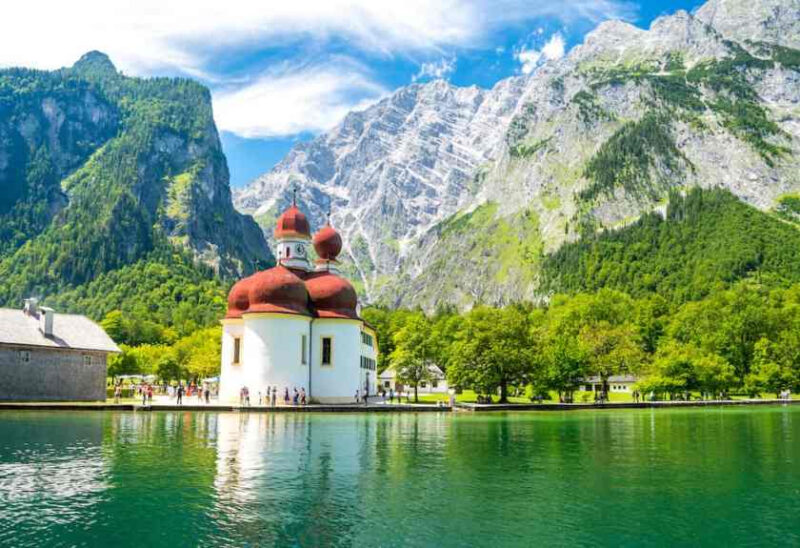
After that, Germany opens up beautifully. You can have a museum-heavy Berlin weekend, a refined Munich city break, a Rhine wine route, a Black Forest escape, or a business trip with real leisure time attached.
For American tourists, the main lesson is simple: Germany is easy to travel through, but much better when you respect its rules, pace, and quiet little habits.